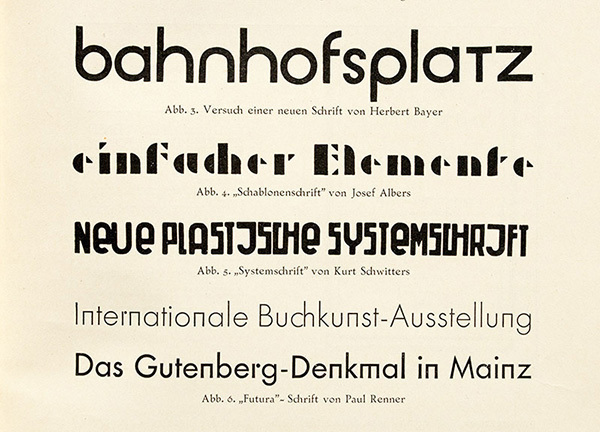
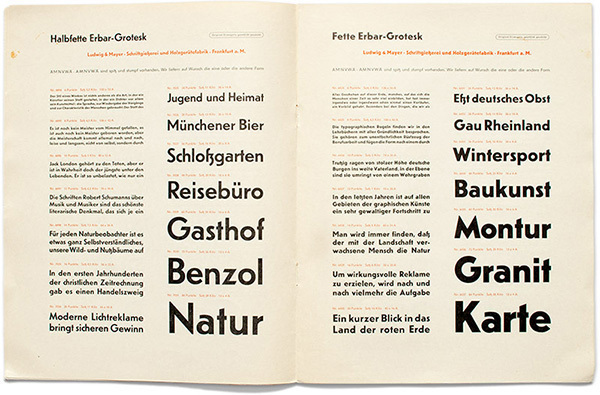
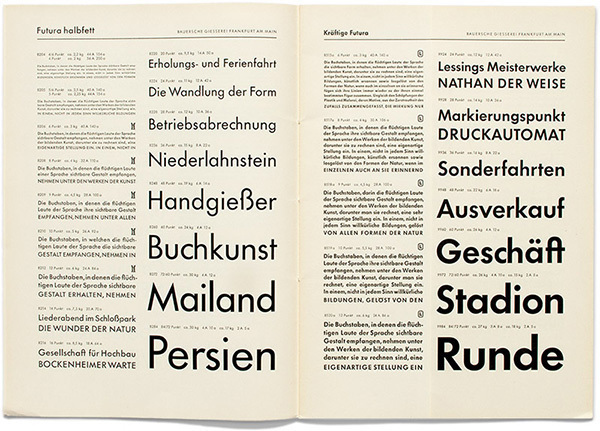
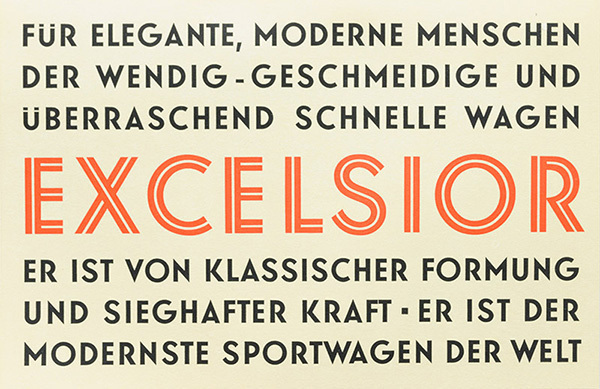
For graphic designers beginning to experiment in type design, a geometric or modular typeface is a natural starting point. Illustrator and other programs offer a simple collection of elements such as circles, squares, and triangles which can be combined to create a passable alphabet. This is the same route many designers took when dissatisfied with the limits of commercial fonts at the time. They twisted and distorted each character to fit into a few simple, incredibly strict rules of construction. Invariably this produced a wide range of exotic letterforms, some more legible that others.
There are certain elements that help viewers understand how to make them more readable, work effectively and be visually consistent.
Balance

Widths

The Joins

The S

Stroke Widths

Overshoots

Spacing

These examples are only an outline of the issues you will face when designing type, but will draw your attention to the most common mistakes. A strict set of rules at the beginning can produce some very interesting ideas, but they need to be flexible. This will not only to make your type work better, but will help differentiate yours from the others being churned out every day. The simplest rule to remember is: trust your eye more than the grid.